What Is Local SEO and Why Does It Matter?
When someone in Hoover types "plumber near me" or a Mountain Brook resident searches "best coffee shop Birmingham" — that's a local search. Local SEO is the practice of making sure your business appears prominently in those results.
For most small businesses, local search is the highest-ROI marketing channel available. People who search locally have high intent — they're ready to buy, call, or visit. If you're not showing up, your competitor is.
The Three Pillars of Local SEO
1. Your Google Business Profile
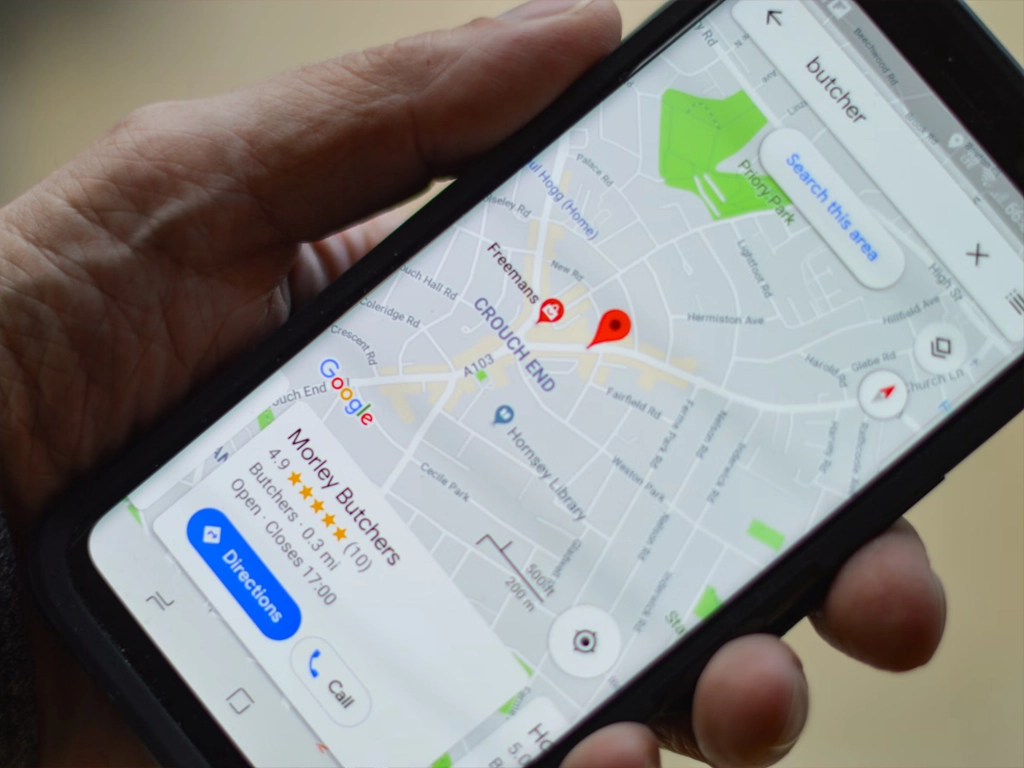
Your Google Business Profile (formerly Google My Business) is the single most important local SEO asset you have. It controls your Google Maps listing, your appearance in the Local Pack (the map results at the top of local searches), and your review visibility.
Make sure yours has:
- Accurate NAP (Name, Address, Phone) — matching your website exactly
- Your business hours, updated for holidays
- Photos updated regularly
- A steady stream of genuine customer reviews
2. On-Page Local Signals
Your website needs to speak to Google in local terms. That means:
- Location-specific pages — if you serve multiple areas, each city deserves its own page
- Local schema markup — structured data that tells Google your address, phone, hours, and service area in a machine-readable format
- Localized content — not just "web design services" but "web design services in Birmingham, AL"
3. NAP Consistency
Your business name, address, and phone number must be identical across your website, Google Business Profile, Yelp, Facebook, and every directory where you're listed. Inconsistencies confuse Google and hurt your rankings.
How Long Does Local SEO Take?
Honest answer: most businesses start seeing measurable movement in 3–6 months. Some faster, some slower, depending on your competition and starting point. But unlike paid ads, the results compound over time.
Ready to get serious about local search? Let's talk — a free consultation is a good place to start.